Navigating Christmas Logo Options: A Guide to Styles, Formats, and Strategic Fit
Selecting the right visual identity for the holiday season involves more than simply adding a snowflake to an existing brand mark. A Christmas logo serves as a temporary but powerful communication tool, signaling festivity, warmth, and seasonal relevance to your audience. Whether you are a corporate entity looking to soften your image, a retail store aiming to drive foot traffic, or a content creator designing a greeting card, understanding the nuances of holiday branding is essential. The market offers a vast array of approaches, ranging from vintage illustrations to modern minimalism, each carrying distinct advantages and limitations depending on your specific goals.
Defining the Scope: More Than Just Decoration
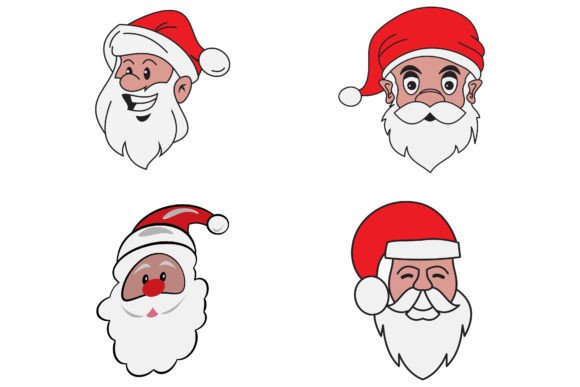
At its core, a Christmas logo is a specialized graphic element designed to evoke the spirit of December. However, it differs significantly from general holiday decorations or background textures. While a snowflake pattern or a ribbon border adds aesthetic flair, a logo functions as a focal point of identification. It often incorporates typographic elements like "Merry Christmas" or "Happy New Year" integrated directly with symbolic imagery such as Santa Claus, reindeer, trees, or ornaments.
The distinction lies in intent and application. A decorative border frames content, whereas a Christmas logo anchors it. When evaluating options, one must consider whether the asset is intended to be a standalone emblem, a badge for social media, or a comprehensive branding update. The best choices balance festive cheer with brand recognition, ensuring that the seasonal twist enhances rather than obscures the underlying identity.
Stylistic Approaches: Vintage vs. Modern Minimalism
One of the primary decision factors when choosing a design direction is the stylistic era you wish to evoke. The landscape of holiday graphics is generally divided between vintage aesthetics and modern interpretations.
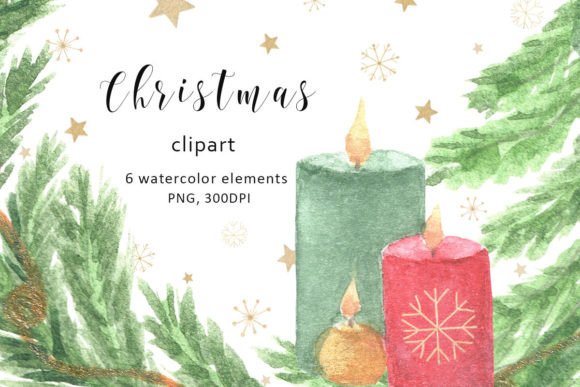
- Vintage and Retro Styles: These designs often feature ornate details, calligraphic lettering, and textured elements that mimic old paper or print techniques. They frequently utilize script fonts, flourishes, and classic color palettes dominated by deep reds, forest greens, and gold. This approach is ideal for brands wanting to convey tradition, nostalgia, and warmth. It works exceptionally well for bakeries, handcrafted goods, and invitation cards where a personal, human touch is paramount.
- Modern and Geometric Styles: In contrast, contemporary designs favor clean lines, flat colors, and minimal compositions. These might use linear icons, abstract shapes, or geometric interpretations of a tree or star. The typography here is often sans-serif or custom hand lettering that feels fresh and dynamic. This style suits tech companies, startups, and corporate communications that need to remain sleek and professional while acknowledging the season.
Choosing between these styles requires an audit of your existing brand guidelines. A highly structured, corporate brand may find a vintage label with scroll work jarring, just as a rustic artisan shop might feel disconnected from a pixel-perfect, digital-only icon.
Format and Functionality: Vector vs. Raster Considerations
Beyond aesthetics, the technical format of your chosen graphic dictates its usability. This is a critical area where many users make costly mistakes. Resources are typically available as vector files (such as EPS, AI, or SVG) or raster images (like JPG or PNG).
Vector graphics are composed of mathematical paths, allowing them to be scaled infinitely without losing quality. If your goal is to print a large banner, a poster, or a brochure, a vector-based Christmas logo is non-negotiable. They allow for easy customization of colors and editable text, making them versatile for various applications including packaging and merchandise.
Conversely, raster images are pixel-based. While high-resolution files can work for web headers, social media posts, or digital greeting cards, they often fail when resized for print. A common pitfall is purchasing a low-resolution template for a project that eventually requires large-format printing. Always verify the file type and resolution before committing to a design, especially if the end-use involves both online and print media.
Integration Strategies: Temporary Branding vs. Standalone Assets
How you deploy the graphic is just as important as the design itself. There are two main strategies for holiday branding:
- Brand Adaptation: This involves modifying your existing logo to include seasonal elements. For example, adding a Santa hat to a mascot, wrapping a ribbon around a wordmark, or changing the color scheme to red and green. This method maintains strong brand continuity and is often the safest bet for established companies. It signals celebration without confusing the customer about who you are.
- Standalone Seasonal Marks: This approach uses a completely separate emblem or icon created specifically for the campaign. These are often used for limited-edition products, special events, or gift guides. While this allows for maximum creativity and thematic depth, it risks diluting brand recognition if not carefully managed. It is best suited for short-term campaigns like a "12 Days of Sales" flyer or a specific product line launch.
When weighing these options, consider the duration of your campaign. A subtle adaptation works well for the entire month of December, whereas a bold, standalone illustration might be better reserved for a specific party invitation or New Year's Eve event.
Evaluating Quality and Licensing
The source of your design matters immensely. The market is flooded with templates, stock illustrations, and custom design services. Free resources often come with restrictive licenses that prohibit commercial use or require attribution, which can look unprofessional on a corporate website or product package.
Premium collections usually offer broader usage rights, including the ability to modify the typography and colors. When reviewing a potential asset, check for:
- Scalability: Does the design hold up when shrunk to a favicon or enlarged for a billboard?
- Uniqueness: Is the icon overly generic? Using a widely distributed clip art style snowman may make your brand appear indistinguishable from competitors.
- Customizability: Can you easily swap the text from "Merry Christmas" to "Happy Holidays" or adjust the font to match your brand voice?
Making the Final Decision
Ultimately, the "perfect" Christmas logo depends on the intersection of your audience, medium, and brand personality. If you are targeting a younger demographic through social media, a cartoon-style or animated graphic might yield higher engagement. For a luxury retail environment, a gold-foil inspired typographic design conveys elegance.
Avoid the temptation to overcrowd the design with too many elements like bells, candy canes, presents, and holly all at once. Effective holiday branding often relies on restraint. A single, well-executed symbol paired with elegant lettering can be far more impactful than a cluttered composition.
By carefully evaluating the style, format, and strategic fit of your holiday graphics, you can create a seasonal presence that feels authentic and engaging. Whether you choose a retro badge or a modern linear icon, the goal remains the same: to connect with your audience through the shared joy of the season while maintaining the integrity of your brand.