Maximizing Your Designs with High-Quality Nurse and Doctor Clipart
In the fast-paced world of digital design, whether you are crafting a heartfelt greeting card for a retiring physician or building a comprehensive website for a local clinic, the visual assets you choose define the professionalism of your final product. Nurse clipart and doctor clipart serve as essential building blocks for creators across various industries. From educators preparing classroom materials to entrepreneurs launching healthcare-related products, the demand for clear, high-resolution medical imagery is constant. However, not all digital assets are created equal. Many creators unknowingly compromise their projects by selecting low-quality files that look pixelated when printed or lack the transparency needed for seamless web integration.
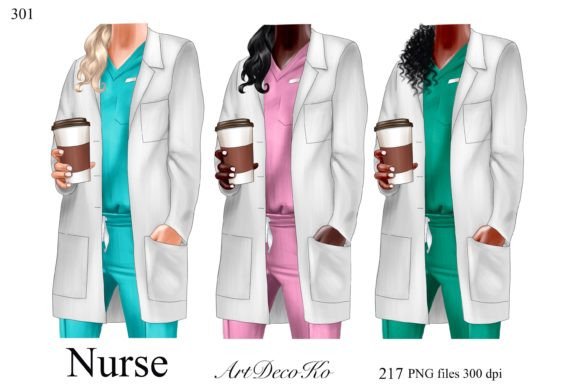
Understanding the technical specifications behind these images is the first step toward avoiding costly redesigns. A common pitfall involves downloading standard resolution files intended only for screen viewing, only to discover they blur instantly when applied to physical products like fabric, wall art, or invitations. To ensure your work stands out, you need access to a robust collection, such as a set featuring 217 high quality and unique RGB PNG files. These assets should boast a transparent background, allowing them to sit naturally on any colored paper or digital canvas without unsightly white boxes surrounding the figures. Furthermore, object sizes matter immensely; aiming for dimensions around 3200 x 4000 pixels at 300 dpi ensures that your graphics remain crisp whether they are shrunk for a blog icon or enlarged for a large-format poster.
Avoiding the Resolution Trap in Print and Digital Projects
One of the most frequent mistakes beginners and even seasoned professionals make is underestimating the resolution requirements for different mediums. When working with nurse clipart or doctor clipart, it is easy to assume that an image looking sharp on a monitor will translate perfectly to print. This is rarely the case. Screens display images at 72 dpi (dots per inch), while professional printing requires a minimum of 300 dpi. If you attempt to print a low-resolution file on a wedding invitation, a scrapbook page, or a piece of gift wrapping, the result is often a fuzzy, unprofessional appearance that can undermine the perceived value of your work.
To avoid this, always verify the pixel dimensions before downloading or purchasing. A superior collection offers files sized at 3200 x 4000 pixels. This generous size provides the flexibility to scale images up or down without losing detail. For instance, if you are using Adobe Photoshop or Affinity Photo to design a fabric pattern for medical scrubs, you need enough data in the image to repeat the pattern seamlessly without visible degradation. Similarly, when creating stickers for planners, high resolution ensures that fine details—like the stitching on a nurse's uniform or the reflection on a doctor's stethoscope—remain distinct and clear.
The Importance of Transparent Backgrounds and File Formats
Another critical area where creators often stumble is the file format. While JPEGs are common, they do not support transparency. Using a JPEG version of a doctor clipart image forces you to deal with a solid white or colored background, which limits your design possibilities. You might find yourself spending excessive time in software like Adobe Illustrator or Sketch trying to manually remove backgrounds, a process that often leaves jagged edges or halos around the subject.
The solution is to prioritize PNG files with transparent backgrounds. These files allow the artwork to blend effortlessly into your project, whether it is a colorful web banner, a pastel-themed baby shower card, or a complex layout in Adobe InDesign. With a library of 217 unique images, you gain the variety needed to keep your designs fresh without repeating the same generic figures. This variety is particularly useful for bloggers and marketers who need to illustrate different scenarios, from emergency room situations to routine check-ups, maintaining visual interest throughout their content.
Ensuring Software Compatibility for Smooth Workflows
Efficiency in design is heavily dependent on using assets that play well with your chosen tools. A frustrating experience occurs when a downloaded file cannot be opened or edited in your preferred software. High-quality collections are typically optimized for a wide range of industry-standard applications. You should look for assets that are fully compatible with Adobe Photoshop, Adobe Illustrator, Affinity Designer, Affinity Photo, After Effects, Adobe InDesign, Adobe XD, Sketch, and Adobe Photoshop Elements.
When your nurse clipart and doctor clipart are compatible with these programs, you unlock advanced customization options. For example, in Adobe Illustrator, you might want to trace a bitmap image to create a vector for infinite scalability. In After Effects, you could animate a character for an educational video about health safety. If the file format is obscure or poorly constructed, these workflows become blocked, leading to wasted time and potential missed deadlines. Always check the file specifications to ensure they align with your software ecosystem before committing to a purchase or download.
Practical Applications Across Industries
The versatility of high-quality medical clipart extends far beyond simple decoration. Consider the following scenarios where premium assets make a tangible difference:
- Education and Training: Educators can use clear, detailed images to create engaging worksheets, presentations, and e-learning modules. High DPI ensures that handouts printed for students remain legible and professional.
- Small Business Branding: Entrepreneurs launching healthcare startups can utilize these images for logos, business cards, and website headers. The transparency allows for clean integration into existing brand color schemes.
- Crafting and DIY: Hobbyists involved in paper crafts, scrapbooking, or making custom decorations for hospital visits benefit from the ability to print at home with professional results. The 300 dpi standard guarantees that home printers can reproduce the image faithfully.
- Merchandise Creation: Those selling print-on-demand products like t-shirts, mugs, or tote bags require large file sizes to cover the print area effectively without blurring.
By choosing a comprehensive set of 217 unique files, you also avoid the repetitive look that plagues many websites and blogs. Using the same generic image across multiple pages can make a site feel stale and unmaintained. A diverse library allows you to match specific contexts, ensuring that the visual tone matches the written message.
Making the Right Choice for Your Next Project
Before finalizing your selection of nurse clipart or doctor clipart, take a moment to evaluate your specific needs. Ask yourself: Will this be used primarily for digital screens or physical print? Do I need to manipulate the colors or layers of the image? Is the background transparent? Answering these questions helps prevent the frustration of discovering limitations mid-project.
Investing in high-quality assets is an investment in your reputation. Whether you are a freelancer delivering work to a client or a hobbyist creating a gift, the clarity and professionalism of your visuals speak volumes. Avoid the temptation of free, low-resolution downloads that often come with licensing restrictions or poor quality. Instead, opt for curated collections that offer RGB PNG files with substantial pixel dimensions and broad software compatibility. This approach saves time on editing, reduces the risk of rework, and ultimately leads to a more polished, satisfying final product.
In conclusion, the difference between a good design and a great one often lies in the details. By prioritizing resolution, transparency, and compatibility, you empower yourself to create stunning visuals for any medium. Whether you are designing for the web, printing on fabric, or crafting personalized invitations, the right nurse and doctor clipart provides the foundation for success. Choose wisely, plan ahead, and let your creativity flourish with tools that support your vision rather than hinder it.