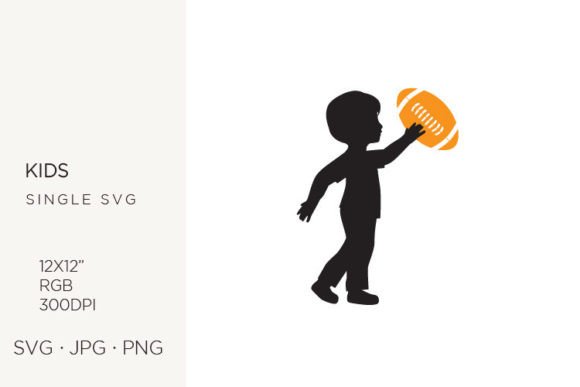
Integrating Boy with Huge Rugby Ball Vector Art into Professional Creative Workflows
In the fast-paced environment of modern digital design, the selection of assets is often the difference between a project that drags on and one that flows smoothly from concept to completion. The Boy with Huge Rugby Ball graphic represents more than just a cute illustration; it is a versatile digital asset designed to fit seamlessly into complex creative pipelines. When sourced as a high-resolution vector file—specifically prepared in Adobe Illustrator with an artboard size of 12 x 12 inches at 300 DPI in RGB color palette—it becomes a foundational element for professionals ranging from graphic designers to small business owners. Understanding how to integrate this specific type of clipart into your workflow requires a shift in perspective: viewing digital downloads not as final products, but as raw materials ready for adaptation.
The core value of the Boy with Huge Rugby Ball lies in its technical construction. Because these files are made in a vector program, they offer infinite scalability without loss of quality. This is critical for professionals who need to deploy a single image across vastly different mediums. A marketer might need the image for a tiny social media icon, while a print shop owner needs the same image blown up for a large format banner. With raster images, this dual requirement often necessitates finding two separate files or risking pixelation. With vector-based SVG, JPG, and PNG formats derived from a master Illustrator file, the workflow remains consistent. You start with one robust source file and export variations as needed, ensuring brand consistency and visual fidelity across all touchpoints.
Pre-Production Planning and Asset Compatibility
Before a single design element is placed on a canvas, successful projects begin with preparation. Integrating the Boy with Huge Rugby Ball into a project starts with understanding its compatibility with your existing toolset. For users working within the Adobe ecosystem, the native Illustrator file allows for immediate manipulation of anchor points, stroke weights, and color fills. This level of control is essential during the planning phase when you are establishing a color palette or defining the mood of a campaign.
Consider a scenario where a stationery designer is preparing a back-to-school collection. The decision to use a rugby-themed character suggests a focus on sports, activity, or youth energy. By downloading the package containing SVG, JPG, and PNG files, the designer ensures they have the right format for every stage of production. The SVG is imported directly into the layout software for vector editing, allowing the designer to change the boy's jersey color to match a specific school's branding. The high-resolution PNG is reserved for quick mockups or web previews where transparency is required but vector editing is not. This foresight prevents bottlenecks later in the process, where a missing file format could delay a client presentation or a print run.
Furthermore, the 300 DPI resolution specification is a crucial quality control metric. While vectors are resolution-independent, the included raster formats (JPG and PNG) must meet industry standards for print. A 12 x 12 inch artboard at 300 DPI provides ample pixel density for high-quality offset printing, ensuring that when the image is used on invitations or handmade cards, the edges remain crisp and the colors vibrant. Professionals should verify these specifications upon download to ensure the asset meets the technical requirements of their specific output method, whether it be digital screen display or physical paper goods.
Execution: From Concept to Tangible Product
Once the asset is vetted and imported, the execution phase begins. This is where the Boy with Huge Rugby Ball transitions from a static file to an active component of your design narrative. For entrepreneurs creating handmade craft items, the workflow often involves transferring the design to cutting machines or heat press software. The clean lines of a vector graphic ensure that cutting paths are accurate, reducing material waste and improving the finish of vinyl decals or iron-on transfers.
In the realm of web and graphic design, the integration process focuses on optimization and responsiveness. A web developer might take the SVG version of the rugby ball character to embed directly into the HTML code. This approach reduces page load times compared to heavy raster images and ensures the graphic looks sharp on retina displays and mobile devices alike. The ability to manipulate the SVG via CSS allows for interactive elements, such as changing the color of the rugby ball on hover, adding a layer of engagement to the user experience without requiring complex JavaScript libraries.
For those focused on printed paper items and party decor, the workflow shifts to layout composition. The 12 x 12 inch artboard size is particularly advantageous here, as it aligns perfectly with standard scrapbooking paper sizes and many digital cutting mat dimensions. Designers can arrange multiple instances of the character, perhaps rotating them or pairing them with typography to create dynamic patterns for wrapping paper or background textures for announcements. The consistency of the vector lines ensures that even when tiled repeatedly, the pattern remains seamless and professional.
Strategic Applications Across Industries
The versatility of this asset allows it to serve diverse industries, each with its own unique workflow demands:
- Educators and Publishers: Can utilize the character for worksheet headers, reward charts, or textbook illustrations. The clear, friendly depiction of a child with a sports item resonates well with younger audiences, aiding in engagement and comprehension.
- Small Business Owners: Might incorporate the image into logo designs for sports camps, daycare centers, or athletic apparel stores. The vector format ensures the logo can be scaled from a business card to a storefront sign without needing a redesign.
- Event Planners: Can leverage the PNG files with transparent backgrounds to quickly assemble digital invitations or social media graphics for birthday parties and sporting events, significantly reducing turnaround time.
- Jewelry Makers: Often use high-contrast vector art to create stencils for enamel work or laser engraving templates. The precision of the Illustrator file ensures that fine details are captured accurately in the final metal or resin product.
Each of these use cases demonstrates how a single digital asset can ripple through various stages of production. The key to success is recognizing that the file formats provided (SVG, JPG, PNG) are not redundant but rather specialized tools for specific tasks within the broader project lifecycle.
Maintaining Efficiency and Quality Control
As with any digital resource, long-term usability depends on organization and maintenance. Professionals who frequently utilize assets like the Boy with Huge Rugby Ball should establish a systematic filing structure. Storing the original Illustrator file separately from the exported web and print versions prevents accidental overwriting and preserves the master editability. It is also prudent to document the license terms associated with the download, ensuring that commercial use for logos or merchandise is permitted, thereby avoiding legal complications down the line.
Quality control extends beyond the initial download. When modifying the vector art, designers must remain mindful of path complexity. Adding too many anchor points or unnecessary effects can bloat the file size, slowing down software performance and complicating the cutting process for crafters. Regularly auditing your modified files to ensure they remain optimized is a best practice that maintains workflow efficiency. Additionally, when converting vector art to raster formats for clients who do not support SVG, always export at the highest necessary resolution to future-proof the deliverable.
Ultimately, the integration of pre-made vector elements like this rugby character is about balancing speed with customization. It allows creators to bypass the time-consuming phase of sketching basic concepts and move directly to refinement and application. By understanding the technical strengths of the 12 x 12 inch, 300 DPI, RGB vector file, professionals can streamline their operations, reduce production errors, and deliver higher quality results to their clients and customers. Whether you are designing a new brand identity, crafting handmade goods, or developing educational materials, treating these digital graphics as flexible building blocks rather than static images unlocks their full potential in your creative process.